Nast Roofing Co.
The Complete South Florida Pre-Hurricane Roof Inspection Checklist
Don't be caught unprepared this upcoming hurricane season South Florida!
Living in South Florida means enjoying year-round sunshine, warm ocean breezes, and gorgeous tropical weather. But every long-time resident and local business owner knows that paradise comes with a seasonal trade-off: hurricane season. From June through November, our skies can shift from calm to treacherous in a matter of hours.
When severe storms roll through Broward and Miami-Dade counties, it’s time for your roof to put its game face on as the primary line of defense. High winds, torrential downpours, and flying debris will aggressively test every square inch of your roofing system. At Nast Roofing, we’ve spent decades helping our South Florida neighbors protect their homes and commercial properties. We know firsthand that the best time to handle storm damage is before the storm hits.
To help you prepare, we’ve put together this comprehensive, step-by-step pre-hurricane roof inspection checklist. Use this roof maintenance guide to spot vulnerabilities early, to ensure the interior of your home stays dry, and safeguard your investment when heavy weather hits.
Phase 1: Safe Ground-Level Visual Inspection
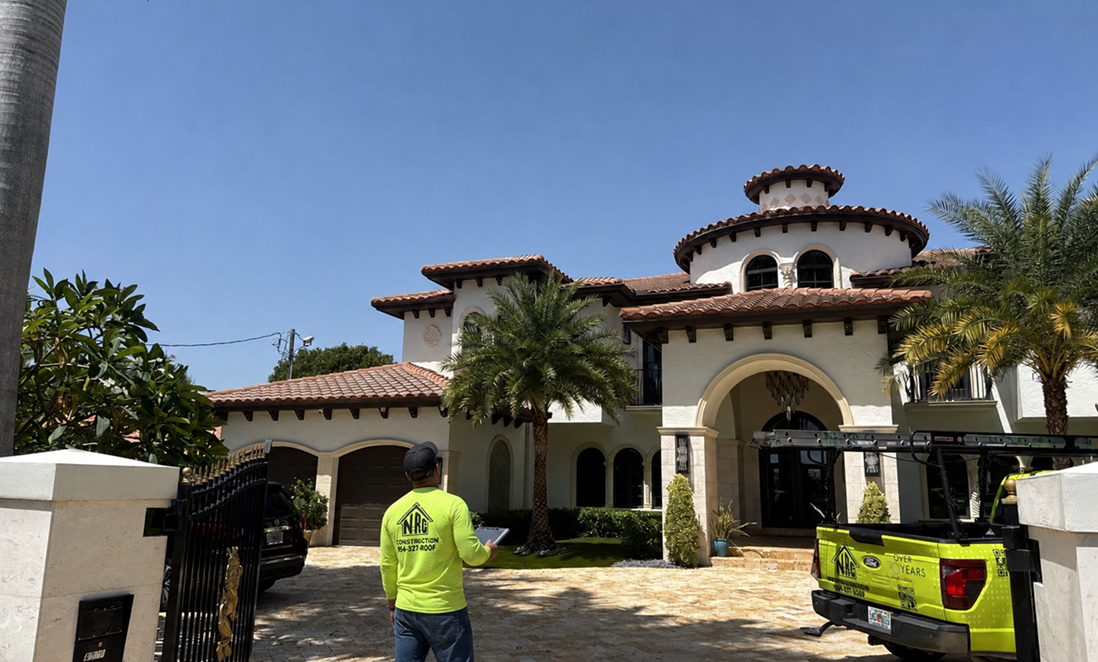
Before you jump on a ladder, start from the ground. You’ll be surprised how many warning signs you can spot with a pair of binoculars and a walk around the perimeter of your property.
- Scan the Roof Line: Look for sagging sections, uneven lines, or dip spots. Any noticeable drop along the ridge or deck suggests structural weakness or hidden wood rot beneath the surface.
- Examine the Exterior Walls and Fascia: Check directly beneath the overhangs. Discolored wood, peeling paint, or dark water stains on your soffits and fascia often point to existing water intrusion.
- Inspect the Surrounding Trees: Overhanging branches act like battering rams during 100+ mph wind gusts. Trim any limbs within 6 to 10 feet of your roof line to prevent heavy impact damage and reduce leaf debris accumulation in your gutters.
- Check the Ground for Debris: Finding loose gravel, shingle granules, or broken pieces of tile around your flowerbeds or parking lot after a minor rainstorm indicates that your roofing material is actively deteriorating.
Phase 2: Exterior Roof Surface Check
If you’re comfortable safely accessing your roof (if not, play it safe and hire a professional) focus on the key materials that shield your structure.
Pitch Roofs (Tile & Shingle)
- Check for Loose, Cracked, or Missing Tiles: Concrete and clay tiles are exceptionally popular across South Florida, but a single cracked or slipped tile gives wind a foothold. High uplift pressure can easily tear away adjacent tiles once one gives way.
- Inspect Shingle Edges and Granules: Look for curling, buckled, or missing asphalt shingles. Excessive granule loss exposes the underlying mat to harsh UV rays and heavy rainfall, leading to fast leaks.
- Examine the Ridge Caps: The very top of your roof takes the brunt of initial wind forces. Ensure ridge tiles or shingles are fully secured with intact mortar or approved fasteners.
Flat and Low-Slope Roofs (Commercial & Modern Residential)
- Look for Blistering or Bubbling: On modified bitumen or TPO membranes, trapped moisture or expanding air causes raised bubbles. High winds can snap these weak spots open like a balloon.
- Identify Ponding Water: If standing water remains on your flat roof longer than 48 hours after a rain, your drainage is compromised. Standing water adds immense weight load and quickly degrades seam integrity.
- Check Open Seams: Walk the lap seams across the roof field. Any peeling or lifting seam will allow wind-driven rain to siphon directly into your insulation layer.
Ready to Protect Your Home in South Florida?
Phase 3: Perimeter, Flashing & Penetrations
Flashing is the thin sheet metal installed to direct water away from critical areas of the roof. Statistically, the majority of hurricane-related leaks occur not through the middle of the field, but around perimeters and roof penetrations.
- Inspect Flashing Around Chimneys, Skylights, and Vents: Ensure the metal flashing is tightly sealed against the wall or curb. Cracked, rusted, or lifting flashing requires immediate sealant touch-ups or replacement.
- Examine Metal Drip Edges: The drip edge secures the perimeter of your roof. Ensure it is firmly fastened to the decking. Florida Building Code emphasizes strong perimeter attachment because wind uplift easily catches loose metal edges.
- Review HVAC Equipment and Roof Curbs: For commercial property owners, check the curbs and flashing surrounding rooftop mechanical units. Ensure panels are screwed tight and base tie-ins are watertight.
Phase 4: Drainage & Gutters
Even the sturdiest roof will fail if heavy rainfall has nowhere to go. During a South Florida tropical storm, your drainage system must move thousands of gallons of water away from the building every hour.
- Clear All Gutters and Downspouts: Remove leaves, silt, pine needles, and trash. Clogged gutters overflow, driving water upward under your lower edge tiles or shingles and causing rotted fascia boards.
- Flush Flat Roof Scuppers and Drains: Make sure primary roof drains and overflow scuppers are completely free of trash, balls, or vegetation growth.
- Verify Downspout Extensions: Confirm that downspouts discharge water at least 3 to 5 feet away from your foundation wall to prevent soil erosion and slab settling.
Phase 5: Interior & Attic Signpost Checks
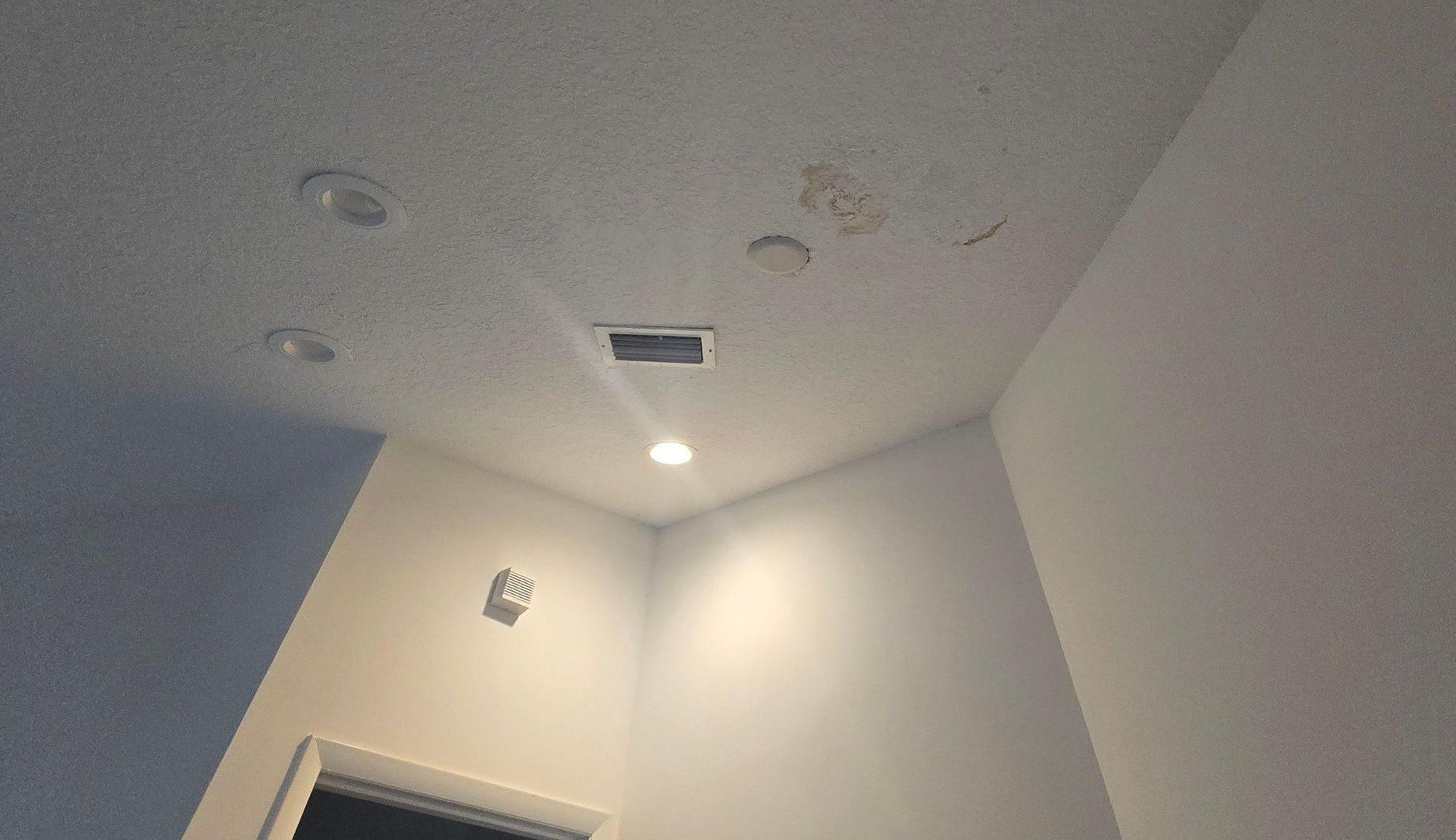
What happens inside your building often tells the true story of your roof’s health. Take a flashlight and head up to the attic or top-floor ceiling.
- Look for Daylight: Turn off your flashlight while in the attic during daylight hours. If you see light piercing through the roof deck, water will find the exact same path during a storm.
- Inspect Decking and Rafters: Look for dark streaks, water rings, or soft wood along the underside of the plywood sheathing.
- Check Insulation Health: Damp, matted, or discolored insulation is a clear sign that a subtle leak has been dripping overhead for weeks or months.
- Look for Interior Ceiling Stains: Check the drywall ceiling and upper corners of top-story rooms or offices for yellow or brown water rings.
Pre-Hurricane Checklist Summary
| Areas to Inspect | What to Look For | Corrective Action Needed |
|---|---|---|
| Roof Field (Tile/Shingle) | Broken tiles, missing shingles, heavy granule loss | Replace broken units; secure loose materials |
| Flat Roof Membrane | Bubbles, blisters, unsealed lap seams, ponding | Heat-weld or seal open seams; clear drains |
| Flashings & Joints | Rust, loose caulk, lifted metal around vents/skylights | Recaulk joints; re-fasten loose metal strips |
| Gutters & Scuppers | Blockages from leaves, dirt, or debris | Clear all passageways; check downspouts |
| Perimeter & Trees | Overhanging branches within 6–10 feet of roof | Trim back limbs; clear surrounding yard space |
| Attic Interior | Daylight leaks, dark wood rot, wet insulation | Patch decking gaps; schedule professional inspection |
Don't Wait for the Warning Flag: Schedule Your Professional Inspection
Catching small issues early is always dramatically cheaper than dealing with sudden storm damage restoration. Routine maintenance and timely roof repairs are your best line of defense to keep minor wear and tear from turning into a major disaster when severe weather strikes.
If your inspection reveals loose materials, age-related wear, or leaks, addressing them right away is essential. Comprehensive roof maintenance helps protect your property investment, extends the lifespan of your roof, and gives you complete peace of mind when storm warnings are issued.
At Nast Roofing, we treat every home and business as if it were our own. We bring years of local experience, top-tier craftsmanship, and honest advice to every job across South Florida.
Need an expert set of eyes to inspect your roof before hurricane season heats up? Contact your trusted
roofing contractor in Fort Lauderdale today at (954) 782-7500 or visit us at 138 W SR 84 (the Marina Mile) to schedule your professional roof evaluation.
If you're in doubt as to the safety of climbing onto you own roof, it's time to call a professional. Contact us today!
Owner & CEO of Nast Roofing
Written by Tim Nast
Tim Nast is the Owner and CEO of Nast Roofing, with more than 35 years of experience in roofing and contracting. A Florida State Certified Roofing Contractor since 1994, Tim specializes in residential and commercial roofing, Florida Building Code requirements, and roofing applications throughout South Florida.